Every day, millions of Americans fill their plates with food that looks and tastes familiar—but many of these items aren’t truly food at all. Behind the appealing packaging and convenience lies a category of products linked to some of the nation’s most serious health problems. The dangers of ultra-processed foods (UTPs) go far beyond empty calories. They include a growing list of life-altering diseases, particularly among children and low-income communities.
According to a study in the American Journal of Clinical Nutrition, over 60% of the average American diet comes from ultra-processed foods, and that percentage has continued to climb year after year. This issue is particularly serious for children, as almost 70% of their diets are made up of UTPs. These items are cheap, addictive, and heavily marketed. And yet, the ultra-processed foods health risks remain poorly understood by most consumers.
Key Takeaways: Why Ultra-Processed Foods Are a Serious Health Threat
- Ultra-processed foods are industrially engineered substances that replace real food in most American diets.
- These products are heavily linked to chronic health issues, including diabetes, obesity, and heart disease.
- Children face the most serious long-term effects due to early exposure and aggressive marketing.
- Chemical additives, artificial ingredients, and refined sugars disrupt metabolic health and gut function.
- Families harmed by deceptive food industry practices may have legal options to hold manufacturers accountable.
What Exactly Are Ultra-Processed Foods (UPFs)?
The term “ultra-processed” refers to products that go far beyond simple processing, like washing or freezing. These are factory-made substances built from extracted or modified ingredients—usually starches, sugars, oils, preservatives, and synthetic additives. They often include little to no whole foods at all.
Ultra-processed foods include:
- Packaged snacks such as chips, cookies, and energy bars
- Sugary drinks like soda, fruit punches, and flavored waters
- Instant meals, including frozen pizza, microwave dinners, and boxed pasta kits
- Sweetened breakfast cereals targeted at children
- Meal replacements marketed as health foods but packed with emulsifiers and preservatives
A recent report in the British Medical Journal defines ultra-processed foods as “industrial formulations primarily composed of chemically modified substances… with minimal to no inclusion of whole foods.” These formulations are not made for nourishment—they’re made to trigger cravings and repeat purchases.
Why Are Ultra-Processed Foods So Harmful to Your Health?

Most people know processed foods aren’t great, but the scale of the harm isn’t always clear. Why are ultra-processed foods considered unhealthy? Their risks stem from the ingredients they contain, as well as what they displace in your diet.
Corporations engineer these products for shelf life and sensory appeal, not nutritional value. Their ingredients promote systemic inflammation, insulin resistance, and gut dysfunction. More importantly, they crowd out nutrient-rich whole foods, leading to long-term deficiencies.
Key dangers include:
- Refined sugars that spike blood glucose and increase the risk of diabetes
- Trans fats and hydrogenated oils that raise cholesterol and damage arteries
- Synthetic emulsifiers that interfere with gut microbiota and immune balance
- Flavor enhancers and sweeteners that overstimulate appetite and dull satiety signals
When consumed daily as they are in most American households, these compounds alter how the body metabolizes food, stores fat, and regulates hormones.
What are Some of the Health Risks of Ultra-Processed Foods?
The science linking ultra-processed food to serious diseases has grown stronger in recent years. These health effects are especially concerning for children, whose developing bodies are more vulnerable to long-term damage.
Obesity and metabolic disruption
Studies show that individuals who consume more ultra-processed foods are more likely to gain weight and develop insulin resistance, regardless of calorie intake. This is partly because these foods hijack hunger cues, leading people to eat more often and in larger quantities.
Heart disease and high blood pressure
High levels of sodium, trans fats, and chemical additives in ultra-processed foods contribute to increased risks of heart disease and hypertension. A study published in The BMJ found that individuals with the highest consumption of ultra-processed foods had a 66% greater risk of heart disease-related death compared to those with the lowest intake.
Gut health and mental well-being
Emerging research suggests that synthetic emulsifiers and additives damage the gut lining and disrupt microbiota balance. This affects not only digestion but also mood and cognitive function. Some researchers are investigating links between ultra-processed foods and depression, particularly in adolescents.
Type 2 Diabetes in Children: A Nationwide Epidemic

Not long ago, type 2 diabetes was almost unheard of in kids. Today, it’s rising at a pace that pediatric endocrinologists find alarming. A major driver of this trend is diet, and specifically, the explosion of ultra-processed food marketed to children.
These products often include:
- Sugary breakfast cereals labeled as “fortified” or “whole grain”
- Snack packs and lunchbox items that combine salt, sugar, and fat
- Colorful drinks and juices that exceed the recommended daily sugar intake in a single serving
- Branded fast food meals bundled with toys and promotions
- Flavored yogurts and pudding cups with added sugars and artificial colors
- Packaged pastries and toaster treats designed to mimic breakfast but loaded with refined carbs
- Frozen chicken nuggets and pizza bites marketed as convenient kids’ meals
- Fruit snacks and gummy candies falsely advertised as “made with real fruit”
- Sweetened milk alternatives and coffee drinks promoted through social media trends
- Highly processed snack bars positioned as “healthy” or “energy-boosting” options
These foods spike blood sugar levels, encourage poor metabolic programming, and trigger chronic inflammation. As a result, kids face an increased risk of early obesity, liver disease, and insulin resistance.
Yet companies continue to aim their marketing at children, using cartoons, social media, and misleading health claims to create lifelong customers.
How to Spot Ultra-Processed Foods on Store Shelves
Knowing how to tell if a food is ultra-processed can help you make better decisions—even when packaging claims sound healthy.
Here are some common red flags:
- Ingredients you wouldn’t use at home: If it contains emulsifiers, color stabilizers, or artificial flavors, it’s likely ultra-processed
- A long, scientific-sounding ingredient list: More than 5–7 unfamiliar ingredients often signal ultra-processing
- No recognizable whole foods: Products made mostly from starches, gums, and oils instead of real grains, vegetables, or legumes
- Front-of-package health claims: Ironically, “low fat,” “sugar-free,” or “vitamin-fortified” are often marketing distractions used on highly processed products
If you can’t identify most of the ingredients—or wouldn’t cook with them yourself—the item likely falls into the ultra-processed category.
The Real Cost of a Convenience-Driven Food System
Ultra-processed foods are often cheaper and more accessible than fresh produce or lean proteins, especially in food deserts and low-income communities. But their true cost shows up elsewhere—in rising medical bills, reduced life expectancy, and lower quality of life.
Communities that rely heavily on packaged and fast foods also see higher rates of obesity, diabetes, heart disease, and certain cancers. The convenience comes at a steep price, particularly for children born into environments flooded with these products.
Food corporations know the health risks but continue to flood the market with aggressive advertising, discount pricing, and deceptive messaging. In many cases, they fund research to downplay health effects and oppose transparency in food labeling.
Practical Shifts: How to Reduce Ultra-Processed Food Intake
Making changes to your diet doesn’t have to mean giving up every convenience. But limiting ultra-processed foods, even gradually, can lead to major improvements in health, energy, and well-being.
Here are some simple ways to reduce your intake:
- Cook more meals at home using fresh ingredients such as vegetables, beans, grains, and lean proteins
- Shop the perimeter of the grocery store where fresh produce, meats, and dairy are usually located
- Choose whole food snacks such as unsalted nuts, fruit, plain yogurt, or hard-boiled eggs
- Read ingredient lists and avoid items with more than five unfamiliar or unpronounceable ingredients
- Stay hydrated with water instead of sugary drinks or artificially flavored beverages
Even small changes make a difference. Swapping out just one or two ultra-processed meals a day can improve metabolic health and reduce your risk of diet-related disease.
What Should I Eat Instead of Ultra-Processed Foods?
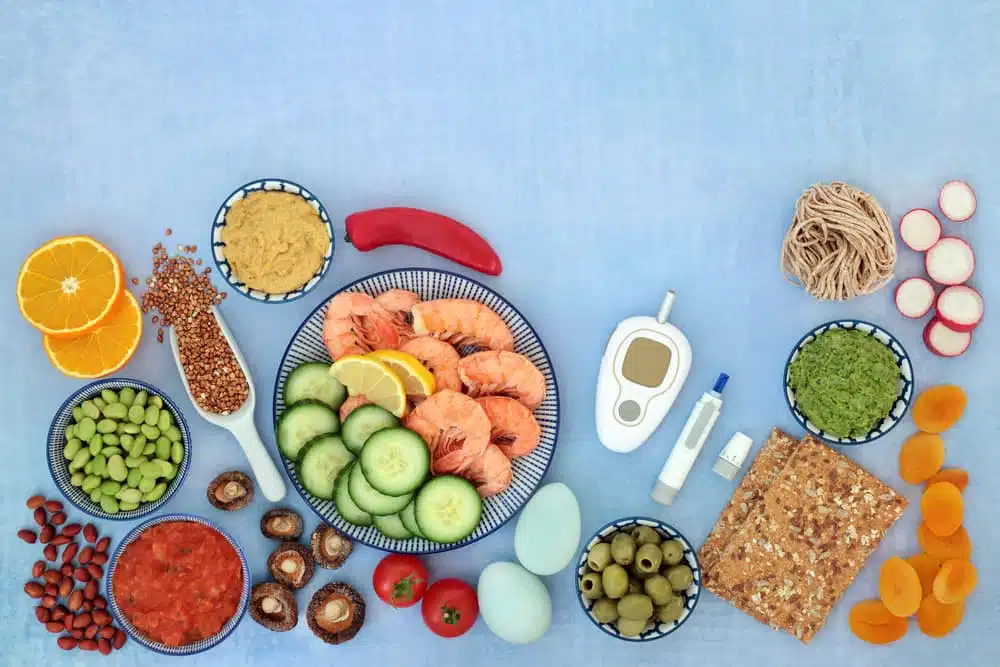
If you’re wondering what to eat instead of ultra-processed foods, the answer doesn’t have to be extreme. You don’t need to adopt a restrictive diet or eliminate every snack you enjoy. But returning to simpler, whole-food eating can help your body heal and function more effectively.
Choose more:
- Whole fruits and vegetables (fresh, frozen, or canned without additives)
- Unprocessed grains such as oats, brown rice, or quinoa
- Legumes and beans for fiber and plant-based protein
- Healthy fats from avocado, olive oil, or raw nuts
- Lean meats and seafood that are baked, grilled, or lightly seasoned
Eating more whole foods improves physical health, helps restore a healthier relationship with food, increases energy, and supports emotional wellness.
When Processed Food Becomes a Public Health Issue
Many people turn to processed foods out of necessity. They’re inexpensive, convenient, and often the only available option in time-strapped households or underserved neighborhoods. But when over 60% of calories come from ultra-processed foods, it’s no longer just a matter of personal choice—it’s a public health crisis.
These products are heavily marketed to children, pushed into schools, and subsidized by industries that put profit before safety. That imbalance leads to disproportionate harm in communities already facing limited access to healthcare, transportation, or fresh produce.
In many ways, the rise of ultra-processed food mirrors other mass harm issues: corporations create dangerous products, obscure the risks, and leave families to bear the cost. That’s why legal action is becoming an option for those harmed—especially when the damage affects children.
Can Families Take Legal Action Over Processed Food Harm?
If your child was diagnosed with type 2 diabetes before age 18, and their diet included significant amounts of ultra-processed foods, there may be grounds to pursue a legal claim. These cases focus on how food manufacturers:
- Knowingly promoted harmful products to children
- Used misleading health claims or deceptive advertising
- Created addictive food formulations that disrupted natural appetite regulation
- Targeted vulnerable communities while downplaying known health risks
As with other mass tort claims, these lawsuits don’t target individuals but hold large corporations accountable for systemic harm. Early legal strategies focus on securing compensation for affected families and pressuring manufacturers to change their practices.
Frequently Asked Questions About the Health Effects of Ultra-Processed Foods
Taking the Next Step: Protecting Your Family, Demanding Accountability
If your family has suffered health consequences tied to the aggressive marketing and widespread availability of ultra-processed foods, especially if your child was diagnosed with type 2 diabetes at a young age, the legal system may offer a path forward. You are not alone in this fight.
Food manufacturers spent decades pushing products that prioritized profit over public health. Now, families are pushing back. And some of those cases are beginning to gain traction in court.
Free Legal Help for Families Harmed by Ultra-Processed Foods
If your child was diagnosed with juvenile type 2 diabetes after consuming high amounts of processed or packaged food, you may have a claim against the manufacturers responsible. Ferrer Poirot Feller team of mass tort lawyers is building cases for families nationwide.
We’ve spent decades standing up to powerful corporations that harm consumers with unsafe or deceptive products. We fight to uncover the truth, demand accountability, and pursue full compensation for families who’ve been harmed.
Call (214) 521-4412 or contact us online for a free, confidential consultation. You pay nothing unless we win.